
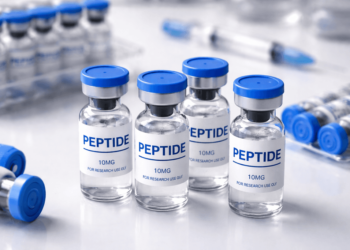
Choosing a peptide supplier is one of the most consequential decisions a research team makes. A weak supplier can compromise results, waste budget, and create compliance headaches. A reliable one gives you consistent material, verifiable documentation, and clear answers. This guide explains how to identify a dependable supplier in Australia and how to evaluate Quantified Peptides using the same standards.
Start With Legal and Regulatory Awareness
A reliable supplier operates within Australian law, and you should too. The Therapeutic Goods Administration (TGA) regulates therapeutic goods, and the Poisons Standard places many peptides in Schedule 4 (prescription-only) or Schedule 10 (prohibited). State and territory rules add further requirements on possession and supply.
Research peptides are sold for in-vitro laboratory use only. They are not medicines, supplements, or products for human or animal use. Before ordering any compound, check its current scheduling on the TGA website and confirm with your institution’s compliance team if you are unsure. A supplier that ignores these boundaries is not one to rely on.
Verify the Quality Documentation
Documentation is the clearest separator between reliable and unreliable suppliers. Look for:
Batch-specific Certificates of Analysis (COAs). Each lot should have its own report, not a generic document reused across batches.
HPLC purity data. A purity figure is useful, but the chromatogram behind it is better. A single dominant peak with few secondary peaks is what you want to see.
Mass spectrometry confirmation. This verifies the peptide’s identity by matching measured molecular weight to the theoretical value.
Independent testing. Third-party laboratory results carry more weight than in-house claims. The COA should name the lab, the date, and the lot number.
Net peptide content. Ask whether the stated vial quantity reflects actual peptide or gross weight including water and salts.
Assess Transparency and Communication
Reliable suppliers make it easy to find information. Product pages should list the exact peptide name, sequence or CAS number, quantity, storage conditions, and lot details. Business information should be visible, including an ABN, contact details, and published shipping, returns, and privacy policies.
Test their support before you buy. Send a question about a COA, salt form, or storage requirement and note the response. A knowledgeable, timely answer suggests a team that understands research. A vague or evasive one suggests the opposite.
Examine Shipping and Handling
Lyophilised peptides are relatively stable, but heat is a genuine risk during Australian summers. Ask where stock is held, how long delivery takes, and how parcels are packed. If a supplier ships from overseas, ask how customs and import requirements are handled, since scheduled substances can be seized at the border and the buyer may face penalties. Domestic stock can reduce delays and uncertainty.
Recognise the Red Flags
Be cautious when you see:
- Prices far below the market average
- No COAs, or identical COAs for different batches
- Marketing for weight loss, muscle gain, healing, or human dosing
- Anonymous operators with no verifiable business details
- High-pressure tactics such as countdown timers and constant “last chance” messaging
- Unwillingness to answer documentation questions
Any one of these should prompt further investigation. Several together are a reason to walk away.
Build a Record-Keeping Habit
Even with a trustworthy supplier, keep your own records. Save invoices, COAs, and lot numbers, and note them in your lab documentation. If an unexpected result appears later, you can trace the material and rule out supply issues. Institutions and auditors may also request this information.
Evaluating Quantified Peptides
Explore Quantified Peptides for laboratory research peptides in Australia, backed by batch documentation, clear product specifications, and honest research-use-only labelling that supports compliance, traceability, and dependable scientific work. Request the COA for the exact lot you plan to buy, check for HPLC and mass spectrometry data, confirm research-use-only labelling on each product page, and read the shipping and returns policies carefully. Contact support with a technical question and judge the quality of the reply.
Final Thoughts
A reliable peptide supplier proves itself through documentation, transparency, and respect for the rules. Take the time to verify before you buy, keep thorough records, and choose partners who welcome scrutiny. That approach protects your research, your budget, and your compliance standing.